japanese beetle life cycle ontario
Most of the beetles life is spent as a larva with only 3045 days spent as an imago. Summer beetles lay eggs primarily in turf.

Get Rid Of Japanese Beetles And Take Your Garden Back
Adults emerge from late June into summer.

. Consult the life cycle chart for timing or visit the Iowa State University website for some good life cycle information. For JB our registered soil-applied pesticides are going to have much less effect against the pupal and egg stages. Reed et al 1991.
Japanese beetle pupae start as cream-colored and age to a reddish-brown. Thus for the usual JB pupation window between May 15 and June 15 in Ontario pesticides are likely to be less effective so application during this time should be avoided with careful planning. Beetles emerge from the soil in late June or early July begin flying when the temperature is about 21C reach their peak in late July and August then gradually disappear.
The pupae stage is where the grub starts to transform into a beetle. Japanese beetle has been repeatedly introduced into California and eradication efforts are ongoing. This cycle is repeated until the female lays 40 to 60 eggs.
They often live on plants but many burrow in the ground and some even swim. Timing Nematode Treatments to JB Life Cycle July to September. The egg is laid by the female Asian longhorned beetle in a notch that she chews into the bark of a tree.
The immature stage of the Japanese beetle the white grub typically has a three year life cycle. However most of the damage to ornamentals and turf grass happens during the spring and fall the second year. After burrowing the female beetle then lays a single egg.
A typical cluster of Japanese beetle eggs. During the summer feeding period females intermittently leave plants burrow about 3 inches into the groundusually into lawnsand lay a few eggs. Japanese Beetle Life Cycle.
Their life cycle is one generation a year. These hatch and the small larvae begin feeding on grassroots and. Up to 25-30 cm.
Females excavate soil cavities several inches deep for their eggs which they lay in masses. Given that adult beetles fly you will need to reapply annually and hope that your neighbours do likewise to put much of a dent in the population. Japonica in China and Korea was likely incorrect and probably referred to closely-related species Ping 1988.
The adults are very active for about six to eight weeks emerging in late June or early July and reaching their peak in late July and August. Within the next 20 days the first instar molts to form the second instar. The European chafer though has recently migrated further north and east and.
Applying nematodes in the spring and fall when they live in your soil as grubs can kill the problem before they emerge as adult beetles. Popillia japonica originates from northeastern Asia where it is native in northern Japan and in the far east of Russia Fleming 1972Flemings 1972 report of P. Eggs hatch within a week or two and tiny grubs emerge.
Mid summer rains keep these alive in dry years they will die off. Orkin Termite Treatment Pest Control Exterminator Service. Two smaller exotic species the European chafer and the Japanese beetle have been accidentally introduced into Canada and are found mainly in the Niagara peninsula.
The Japanese beetle JB Popillia japonica is native to Japan. Japanese beetle larvae have a V-shaped series of bristles on their raster the underside of the tip of the abdomen. Grubs will grow in length as they feed and mature.
When the egg hatches the newly emerged larva feeds upon the inner tissues of the tree and branch trunks in the vicinity. Within 46 weeks of breaking hibernation the larvae will pupate. In most parts of its range the Japanese beetle life cycle takes just a year but in northern areas it may stretch to two years.
They feed on foliage and mate during the day. The eggs laid by the adult female hatch into larva which feed and grow. JB is most common on the northern Japanese islands of Honshu and Hokkaido.
Most species of beetles have a life cycle of one year and go through four different stages. The beetle only appears in midsummer and is active for six to eight weeks before laying a batch of eggs in lawns or grassy areas. There are many different species of known beetles in Ontario.
Midsummer the eggs hatch and the young grubs begin to feed. This is when grubs are present in the top inch of the root zone heavily feeding on grass roots and thatch. Japanese beetles cause leaves to appear skeletonized.
Applying nematodes in the spring and fall when they live in your soil as grubs can kill the problem before they emerge as adult beetles. Adults feed on the fruit flowers and leaves of a wide variety of plants while the larvae live underground and feed on roots and decaying material favoring grass roots. Dont worry thats the kind in those.
This is called the first instar. In September as soils begin to cool grubs move deeper into the soil and remain where the soil is about 10C at a depth of about 15-25 cm. Japanese Beetle Life Cycle.
One female will lay eggs at multiple sites with the possibility of a single beetle laying up to 100 eggs. Lack of snow cover may increase larval mortality. In Japan the beetle is most abundant in northern Honshu and all of Hokkaido where grasslands.
Our female JBs begin laying her eggs in July. If you find suspected Japanese beetles in your area report findings to the local county agricultural commissioner office or call the California Department of Food and Agricultures Pest Hotline at 800-491-1899. The most common white grubs infesting turf in Canada are those of the native June beetle or June bug.
Both as adults and as grubs the larval stage Japanese beetles are destructive plant pests. The Japanese beetle adult an attractive pest. They are in different stages during their life cycle.
Only the nematode heterorhabditis bacteriophora is effective in Japanese beetle grub control. Adults feed on leaf material above ground using pheromones to attract other beetles and overwhelm plants skeletonizing leaves from the top of the plant downward. In cultivated soils this may be deeper.
Adult females lay eggs in moist sod in July. Adults feed on the foliage and fruits of several hundred species of fruit trees ornamental trees shrubs vines and field and vegetable crops.

How To Control Japanese Beetle Heeman S
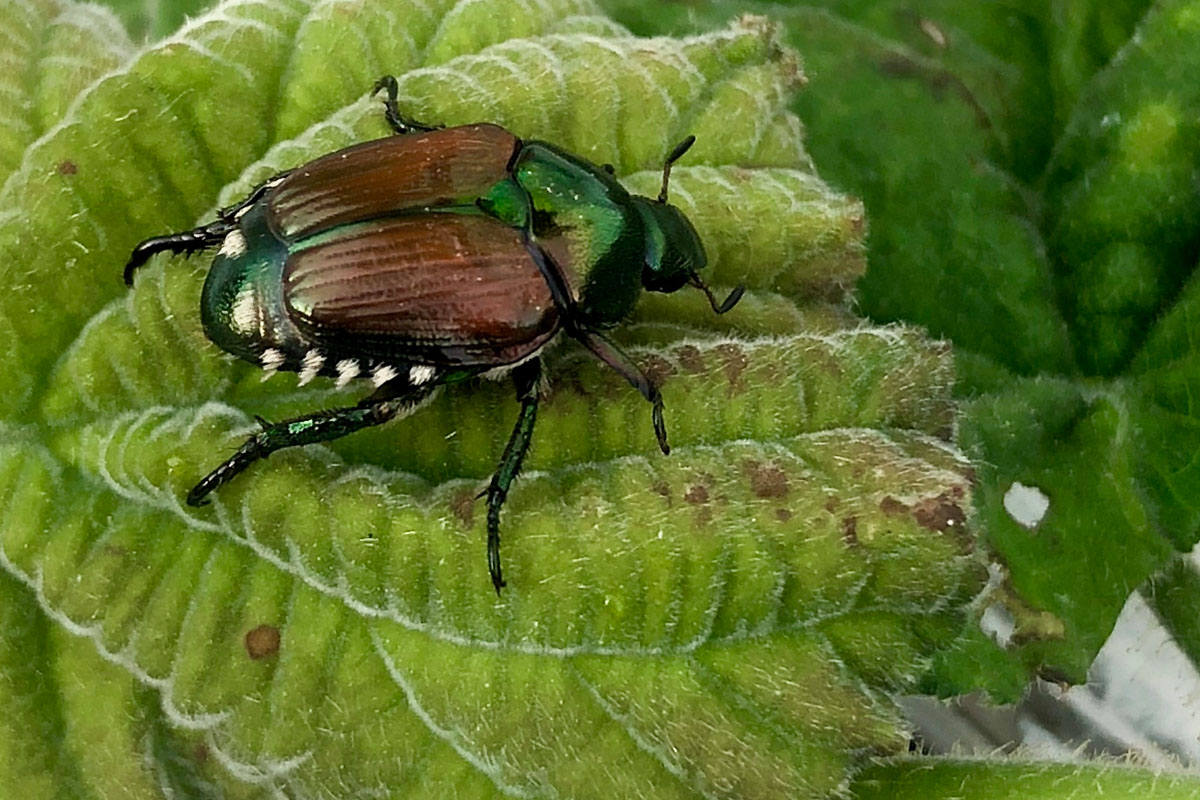
Japanese Beetle Control The Good Earth Garden Center

How To Control Japanese Beetle Heeman S
Japanese Beetle Control 2021 Considerations Onfloriculture

Japanese Beetles Coming Soon To A Plant Near You Fight Back

Notes On Blueberry Diseases White Grub Complex

Japanese Beetles Coming Soon To A Plant Near You Fight Back

Pest Alert Japanese Beetle What You Need To Know Mgabc

Pest Alert Japanese Beetle What You Need To Know Mgabc
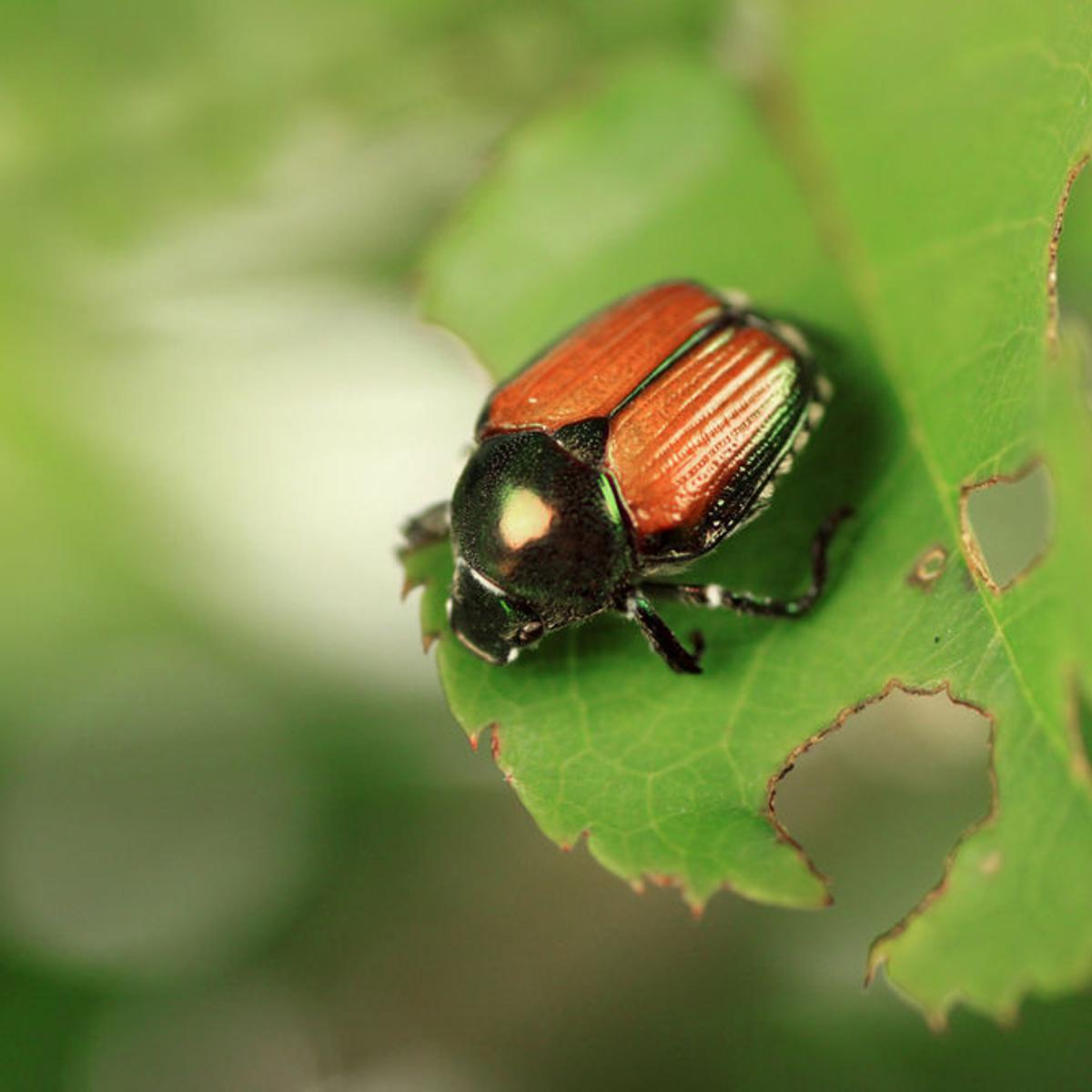
Eco Talk As Japanese Beetles Return Tips On Stopping Them Lifestyles Auburnpub Com

Japanese Beetles Coming Soon To A Plant Near You Fight Back

The Fly That Attacks Japanese Beetles Laidback Gardener

Problems With Japanese Beetles Ontario Hop Growers Association

Japanese Beetles In Nursery And Turf

How To Prevent Japanese Beetles Garden Making

Japanese Beetles Have Started To Emerge Onnurserycrops Blogonnurserycrops Blog
Life Cycle Of The Japanese Beetle Including A Eggs David Cappaert Download Scientific Diagram
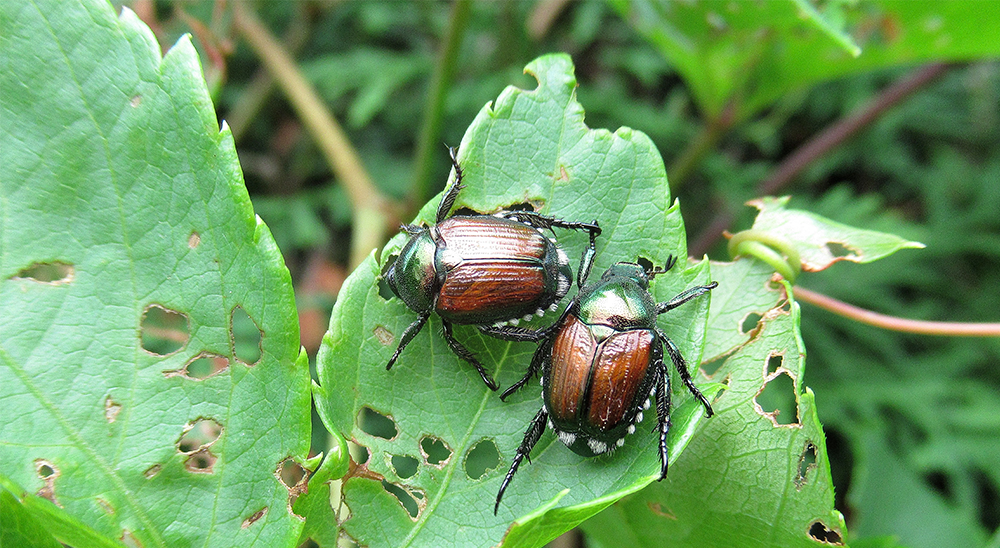
Controlling Japanese Beetles Aphids Ants And Caterpillars Royal City Nursery

How To Control Japanese Beetle Heeman S